
What is the Defence Sector?
The Defence Sector refers to the organized system of military forces, government institutions, industries, research bodies, and support services responsible for protecting a nation’s sovereignty, territorial integrity, and national interests. It encompasses everything from armed forces and intelligence agencies to defence manufacturing companies and advanced research laboratories. The defence sector plays a vital role not only in safeguarding a country from external aggression but also in maintaining internal stability, disaster response, and international peacekeeping.
In modern times, the defence sector is far more than just armies and weapons. It is a highly sophisticated ecosystem involving cutting-edge technologies such as artificial intelligence, cybersecurity, space systems, drones, advanced surveillance networks, and missile defence systems. It also significantly contributes to economic growth, innovation, employment, and global diplomacy.
1. Core Structure of the Defence Sector
The defence sector can be broadly divided into the following major components:
1.1 Armed Forces
The armed forces form the backbone of any defence system. They are responsible for conducting military operations and protecting the nation from external threats. In India, the armed forces include:
- Indian Army – Responsible for land-based military operations.
- Indian Navy – Protects maritime borders and sea routes.
- Indian Air Force – Secures airspace and conducts aerial combat operations.
These forces are trained to respond to war, insurgency, terrorism, humanitarian crises, and peacekeeping missions.
1.2 Defence Research and Development
Modern warfare is technology-driven. Therefore, research and innovation are central to defence preparedness. In India, the Defence Research and Development Organisation (DRDO) leads the development of indigenous defence technologies such as missile systems, radar systems, electronic warfare equipment, and advanced combat vehicles.
Globally, countries invest heavily in defence R&D to maintain strategic superiority. Technologies developed in defence research often find applications in civilian sectors, including aviation, telecommunications, and space exploration.
1.3 Defence Manufacturing Industry
The defence sector includes public and private industries that manufacture military equipment such as:
- Aircraft and helicopters
- Warships and submarines
- Tanks and armored vehicles
- Missiles and ammunition
- Surveillance systems
- Communication equipment
In India, organizations such as Hindustan Aeronautics Limited (HAL) and Bharat Electronics Limited (BEL) are major contributors to defence manufacturing.
Many countries are now promoting self-reliance in defence production to reduce dependence on imports and strengthen strategic autonomy.
1.4 Intelligence and Strategic Agencies
Intelligence agencies collect, analyze, and interpret information related to national security. They monitor threats such as terrorism, espionage, cyber-attacks, and geopolitical risks. Intelligence plays a crucial role in preventing attacks and planning strategic responses.
These agencies work closely with armed forces and government authorities to ensure timely decision-making.
1.5 Logistics and Support Services
Behind every successful military operation lies a strong logistics system. Defence logistics includes:
- Supply chain management
- Equipment maintenance
- Transportation
- Medical services
- Training institutions
- Infrastructure management
Without efficient logistics, even the strongest armed forces cannot function effectively.
2. Key Functions of the Defence Sector
The defence sector performs multiple critical functions:
2.1 Protection of National Borders
The primary responsibility is to safeguard land, sea, and air boundaries from foreign aggression.
2.2 Internal Security Support
In many countries, armed forces assist civil authorities during emergencies such as riots, insurgency, or terrorist attacks.
2.3 Disaster Relief and Humanitarian Assistance
Defence forces often provide rescue operations during floods, earthquakes, cyclones, and pandemics.
2.4 International Peacekeeping
Countries contribute troops to United Nations peacekeeping missions to maintain global peace and stability.
2.5 Strategic Deterrence
A strong defence capability discourages potential adversaries from initiating conflict.
3. Importance of the Defence Sector
3.1 National Sovereignty
A nation without adequate defence capabilities is vulnerable to external threats. Defence ensures independence and sovereignty.
3.2 Economic Growth
The defence sector generates employment across multiple disciplines:
- Engineers
- Technicians
- Scientists
- IT professionals
- Quality auditors
- Supply chain experts
Large defence contracts stimulate industrial development and innovation.
3.3 Technological Advancement
Many technological breakthroughs originated in defence research, including:
- The internet
- GPS technology
- Advanced materials
- Jet propulsion systems
These innovations later transformed civilian industries.
3.4 Strategic Global Position
Strong defence capabilities enhance a country’s geopolitical influence and diplomatic strength.
4. Evolution of the Defence Sector
Historically, defence focused on conventional warfare involving infantry, artillery, and naval fleets. However, modern defence has evolved into a multi-dimensional domain involving:
- Cyber warfare
- Space security
- Artificial intelligence
- Drone and unmanned systems
- Electronic warfare
- Missile defence systems
Today, defence strategies combine conventional and unconventional capabilities to address hybrid threats.
5. Public and Private Sector Participation
Traditionally, defence production was controlled by governments. However, many countries now encourage private sector participation to:
- Improve efficiency
- Enhance innovation
- Reduce procurement delays
- Increase exports
In India, reforms have allowed private companies to enter defence manufacturing, boosting domestic production and attracting foreign investment.
6. Defence Sector and Quality Standards
Quality assurance is critical in defence manufacturing because even minor defects can lead to catastrophic failures. Therefore, defence organizations follow strict standards and accreditation systems such as:
- Military-grade quality certifications
- Testing and calibration standards
- Safety and compliance audits
- Product certification requirements
Inspection bodies, laboratories, and certification agencies play a key role in maintaining reliability and operational safety.
For organizations involved in certification, inspection, and accreditation—such as those developing quality systems—the defence sector represents a high-value and high-responsibility domain.
7. Career Opportunities in the Defence Sector
The defence sector offers diverse career paths:
7.1 Uniformed Services
- Officers in Army, Navy, and Air Force
- Technical and combat roles
7.2 Engineering and Technical Roles
- Aerospace engineers
- Mechanical engineers
- Electronics and communication engineers
- Cybersecurity experts
7.3 Research and Scientific Careers
- Missile technology specialists
- AI and robotics researchers
- Materials scientists
7.4 Quality and Compliance Professionals
- Auditors
- Inspectors
- Accreditation assessors
- Safety officers
With the rise of indigenous manufacturing and modernization programs, demand for skilled professionals continues to grow.
8. Defence Sector in the Modern Global Context
Globally, defence budgets are increasing due to rising geopolitical tensions and emerging security challenges. Countries are focusing on:
- Self-reliance in defence production
- Export-oriented defence manufacturing
- Strategic partnerships and joint ventures
- Advanced research collaboration
The defence sector is now closely linked with space programs, cybersecurity frameworks, and digital infrastructure protection.
9. Challenges in the Defence Sector
Despite its importance, the defence sector faces several challenges:
- High capital investment requirements
- Rapid technological obsolescence
- Procurement delays
- Complex regulatory frameworks
- Cybersecurity threats
- Ethical and geopolitical concerns
Balancing national security with economic sustainability is a continuous strategic challenge.
10. Future of the Defence Sector
The future of the defence sector will be driven by:
- Artificial intelligence-enabled warfare
- Autonomous weapons systems
- Hypersonic missiles
- Space defence systems
- Cyber defence infrastructure
- Integrated command and control networks
Nations are increasingly focusing on smart defence systems that combine data analytics, automation, and advanced sensors.
Conclusion
The Defence Sector is a comprehensive system that safeguards a nation’s sovereignty, security, and strategic interests. It includes armed forces, research institutions, manufacturing industries, intelligence agencies, and quality assurance frameworks. Beyond military operations, the defence sector contributes significantly to economic growth, technological innovation, and global stability.
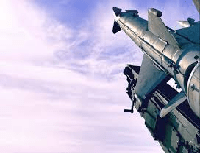
Defence Sector International Certification Required for Manufacturer
The global defence industry operates under some of the most stringent regulatory, quality, security, and compliance frameworks in the world. Manufacturers supplying products, components, subsystems, or complete platforms to defence organizations must meet a wide range of international standards and certifications. These certifications ensure product reliability, operational safety, data security, regulatory compliance, and alignment with national and international defence procurement policies.
This comprehensive guide explores the Defence Sector International Certification Required for Manufacturer, including quality management systems, aerospace and defence standards, cybersecurity certifications, export control regulations, environmental and safety compliance, product-specific certifications, and country-specific regulatory frameworks.
Understanding Defence Sector International Certification Required for Manufacturer
The term Defence Sector International Certification Required for Manufacturer refers to mandatory and voluntary certifications that defence manufacturers must obtain to operate legally, competitively, and compliantly in global defence markets.
These certifications serve multiple purposes:
- Ensure quality and reliability of defence products
- Establish traceability and configuration control
- Safeguard classified and sensitive information
- Ensure compliance with export control regulations
- Reduce risks across global supply chains
- Align manufacturing processes with military-grade standards
- Demonstrate credibility to government procurement agencies
Defence certifications can be categorized into:
- Quality Management Certifications
- Aerospace & Defence-Specific Standards
- Cybersecurity & Information Security Certifications
- Export Control & Trade Compliance Certifications
- Environmental, Health & Safety Certifications
- Product Testing & Military Specifications
- Country-Specific Defence Regulatory Approvals
Quality Management Certifications in Defence Manufacturing
Quality management forms the backbone of any Defence Sector International Certification Required for Manufacturer.
ISO 9001 – Foundation Quality Management Standard
International Organization for Standardization developed ISO 9001 as the global benchmark for quality management systems.
Why ISO 9001 Matters in Defence:
- Establishes structured quality processes
- Ensures customer satisfaction
- Mandates risk-based thinking
- Requires documented procedures
- Supports continuous improvement
While ISO 9001 is not defence-specific, it is often the minimum requirement for suppliers entering defence supply chains.
AS9100 – Aerospace & Defence Quality Standard
AS9100 is a critical Defence Sector International Certification Required for Manufacturer in aerospace and defence sectors.
Developed by the International Aerospace Quality Group, AS9100 builds upon ISO 9001 and adds aerospace-specific requirements.
Key Features:
- Product safety management
- Configuration management
- Risk management
- Counterfeit part prevention
- First Article Inspection (FAI)
- Special process validation
AS9100 certification is mandatory for suppliers working with major aerospace and defence OEMs.
NADCAP Accreditation
NADCAP (National Aerospace and Defense Contractors Accreditation Program) ensures quality in special processes such as:
- Heat treatment
- Welding
- Non-destructive testing (NDT)
- Chemical processing
- Coating
Managed by the Performance Review Institute, NADCAP accreditation is often required by defence primes for manufacturers performing critical processes.
Cybersecurity Certifications: A Critical Defence Sector International Certification Required for Manufacturer
With increasing cyber threats, cybersecurity certification is now one of the most important components of Defence Sector International Certification Required for Manufacturer.
ISO/IEC 27001 – Information Security Management
Also developed by the International Organization for Standardization, ISO/IEC 27001 ensures protection of sensitive defence information.
Covers:
- Data encryption
- Access control
- Risk assessment
- Incident response
- Secure supplier management
Many defence contracts require ISO 27001 compliance before awarding tenders.
NIST Cybersecurity Framework
The National Institute of Standards and Technology developed cybersecurity guidelines widely adopted in defence contracts, particularly in the United States.
Manufacturers must comply with:
- NIST SP 800-171
- NIST SP 800-53
- Controlled Unclassified Information (CUI) protection
CMMC – Cybersecurity Maturity Model Certification

The United States Department of Defense introduced CMMC to strengthen supply chain cybersecurity.
CMMC Levels range from:
- Level 1 – Basic Cyber Hygiene
- Level 2 – Advanced Protection of CUI
- Level 3 – Expert Security Controls
CMMC compliance is becoming mandatory for defence contractors working with the US Department of Defense.
Export Control Regulations as Defence Sector International Certification Required for Manufacturer
Export control compliance is essential for defence manufacturers involved in international trade.
ITAR – International Traffic in Arms Regulations
Administered by the United States Department of State, ITAR regulates export of defence articles and services.
ITAR Requirements:
- Registration with DDTC
- Controlled access to technical data
- Licensing for exports
- Recordkeeping compliance
Non-compliance can result in severe penalties.
EAR – Export Administration Regulations
Managed by the United States Department of Commerce, EAR governs dual-use technologies.
Manufacturers must determine:
- Export Control Classification Number (ECCN)
- Licensing requirements
- End-user restrictions
NATO Standards: Defence Sector International Certification Required for Manufacturer
Suppliers serving NATO countries must comply with NATO standards.
AQAP – Allied Quality Assurance Publications
Issued by North Atlantic Treaty Organization, AQAP standards ensure quality across defence contracts.
Common AQAP standards include:
- AQAP 2110 – Design, Development & Production
- AQAP 2310 – Aviation, Space & Defence
AQAP certification is often mandatory for NATO procurement.
Environmental & Safety Certifications in Defence Manufacturing
ISO 14001 – Environmental Management
Manufacturers must demonstrate environmental responsibility under ISO 14001.
Benefits:
- Regulatory compliance
- Reduced environmental impact
- Sustainable production
ISO 45001 – Occupational Health & Safety
Ensures safe working conditions in high-risk defence manufacturing environments.
Military Specifications (MIL-SPEC)
Military specifications define detailed performance and durability requirements.
Examples include:
- MIL-STD-810 (Environmental Engineering)
- MIL-STD-461 (EMI/EMC Requirements)
- MIL-STD-882 (System Safety)
These standards are widely used by defence agencies worldwide.
Country-Specific Defence Certifications
United States
- ITAR Registration
- CMMC
- DFARS Compliance
- SAM Registration
United Kingdom
- Cyber Essentials
- DEF STAN Standards
- UK MoD Approval
European Union
- CE Marking (for applicable defence components)
- EU Dual-Use Regulation Compliance
India
- Industrial License from Ministry of Defence
- Defence Procurement Procedure (DPP) Compliance
- DRDO Vendor Registration
Testing & Product Certification Requirements
Defence manufacturers must undergo:
- Ballistic testing
- EMI/EMC testing
- Environmental testing
- Fatigue & stress analysis
- Shock & vibration testing
Testing laboratories may require accreditation under ISO/IEC 17025.
Steps to Achieve Defence Sector International Certification Required for Manufacturer
- Gap Analysis
- Risk Assessment
- Documentation Development
- Implementation of Controls
- Internal Audit
- Certification Audit
- Continuous Monitoring
Documentation Required for Defence Certification
- Quality Manual
- Information Security Policies
- Process Flow Diagrams
- Standard Operating Procedures
- Export Compliance Manual
- Risk Register
- Supplier Evaluation Records
Supply Chain Compliance in Defence Manufacturing
Defence primes require:
- Supplier audits
- Traceability of materials
- Counterfeit part prevention
- Ethical sourcing compliance
Manufacturers must ensure subcontractors also comply with defence certifications.
Challenges in Obtaining Defence Sector International Certification Required for Manufacturer
- High implementation cost
- Complex documentation
- Frequent audits
- Regulatory updates
- Export licensing delays
- Cybersecurity threats
Benefits of Defence Sector International Certification Required for Manufacturer
- Access to global defence markets
- Increased credibility
- Risk mitigation
- Improved operational efficiency
- Competitive advantage
- Enhanced cybersecurity resilience
Future Trends in Defence Sector Certifications
- Increased cybersecurity controls
- Digital compliance monitoring
- AI-based risk management
- Supply chain transparency requirements
- Stricter export control frameworks
- Sustainability integration
Conclusion
Obtaining Defence Sector International Certification Required for Manufacturer is not optional for companies seeking entry into the global defence industry. These certifications ensure quality, security, regulatory compliance, and trust in highly sensitive and mission-critical environments.
Table of Contents
